
Online Gaming
Digital gaming, also known as video gaming, has become a ubiquitous and influential form of entertainment, social interaction, and even competitive sports in the modern era. This industry has undergone significant transformations since its inception, evolving from simple pixelated graphics and basic gameplay to immersive and highly realistic experiences.
Key aspects of digital gaming include:
Platforms and Devices:

- Consoles: Traditional gaming consoles like PlayStation, Xbox, and Nintendo have been prominent players in the industry, offering dedicated hardware and exclusive titles.

- PC Gaming: Personal computers have long been a favorite platform for gaming due to their versatility, power, and extensive game libraries.

- Mobile Gaming: The rise of smartphones has led to a boom in mobile gaming, with millions of games available on app stores, ranging from casual to highly sophisticated titles.

- Cloud Gaming: Streaming services and cloud gaming platforms allow players to access games without the need for high-end hardware, as the processing is done on remote servers.
Genres and Diversity:
♦ Gaming spans a wide array of genres, including action, adventure, role-playing, simulation, strategy, sports, and more.
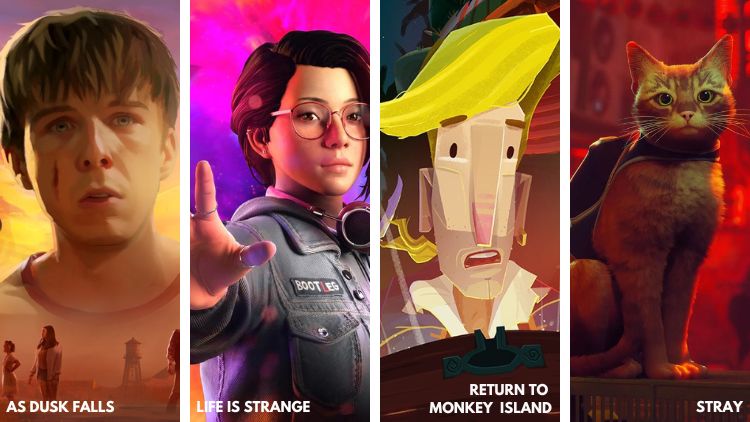
♦ Indie game developers have contributed significantly to the diversity of the gaming landscape, bringing unique and innovative experiences to players.
Online Connectivity:

♦♦ Online multiplayer gaming has become a defining feature, enabling players to connect globally and engage in cooperative or competitive experiences.
♦♦ Esports, or competitive gaming, has grown into a major industry with professional players, teams, and tournaments, attracting a massive audience.
Technological Advancements:
♦♦ Advances in technology, such as high-definition graphics, virtual reality (VR), and augmented reality (AR), have enhanced the immersive qualities of gaming.
♦♦ Real-time ray tracing, faster loading times, and improvements in artificial intelligence contribute to more realistic and dynamic gaming environments.
Monetization Models:
Traditional one-time purchases for games still exist, but the industry has shifted towards various monetization models, including in-app purchases, subscription services, and free-to-play with optional microtransactions.

Cultural Impact:
Gaming has become a mainstream cultural phenomenon, influencing art, music, and even fashion.
Games often tackle complex narratives, social issues, and emotional experiences, contributing to their recognition as a legitimate form of storytelling and artistic expression.

Challenges and Concerns:
The industry faces challenges such as inclusivity, diversity, and addressing issues like toxicity within online gaming communities.
Concerns related to addiction, excessive screen time, and the impact of violent content on players have sparked discussions about responsible gaming.

Conclusion:
Digital gaming continues to evolve rapidly, driven by technological innovation, creative expression, and the growing global gaming community. It remains a dynamic and influential force in entertainment, connecting people across geographical boundaries and shaping popular culture.
Online computer games are not just a source of entertainment but also play a crucial role in global social interaction. They have given rise to competitive esports, turning gaming into a professional industry. The economic impact is substantial, driving technological advancements in computer hardware and graphics. Additionally, these games offer educational value by promoting cognitive skills. In summary, the significance of online computer games extends beyond entertainment, shaping social dynamics, fostering competition, and contributing to technological and economic advancements.
Don’t overlook the purchase of a UPS for uninterrupted online gaming
