
Data Center is a facility used to house computer systems, networking equipment, and other components essential for the processing, storage, and management of large amounts of data. These centers play a crucial role in supporting the operations of organizations and businesses by providing a centralized location for IT infrastructure.
One critical aspect of data center infrastructure is ensuring uninterrupted power supply, as downtime can have severe consequences for businesses and services. To address this, data centers often incorporate Uninterruptible Power Supply (UPS) systems, which include batteries as a key component.
Purpose:
- Data centers are designed to store, process, and manage data.
- They host servers, storage systems, networking equipment, and other critical components.
Infrastructure:
- Climate control systems to regulate temperature and humidity.
- Redundant power supplies and backup systems to ensure continuous operation.
- Physical security measures to protect against unauthorized access.
Connectivity:
- High-speed internet connections and network infrastructure to facilitate communication.
- Redundant network connections for reliability.
Scalability:
- Data centers are designed to be scalable, allowing for the addition of hardware as demand grows.
Data Center Considerations:

Redundancy:
Data centers often employ a redundant design, including duplicate servers, storage, and networking equipment. This redundancy ensures that if one component fails, another can seamlessly take over to prevent downtime.
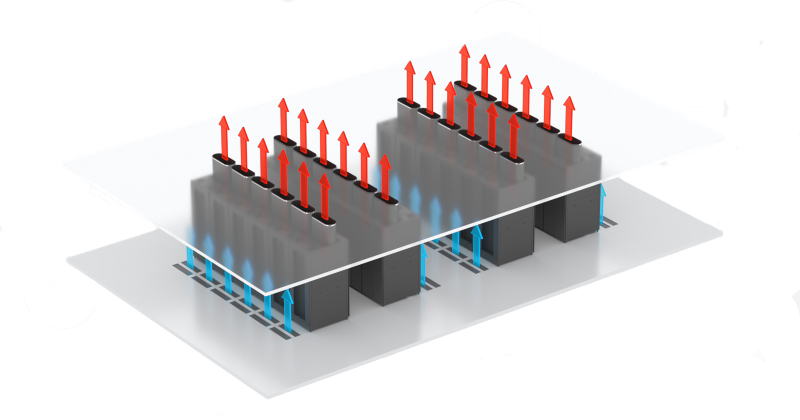
Cooling Systems:
Data centers generate a significant amount of heat due to the operation of servers and other hardware. Cooling systems, such as air conditioning and specialized cooling technologies, are essential to maintain optimal operating temperatures.
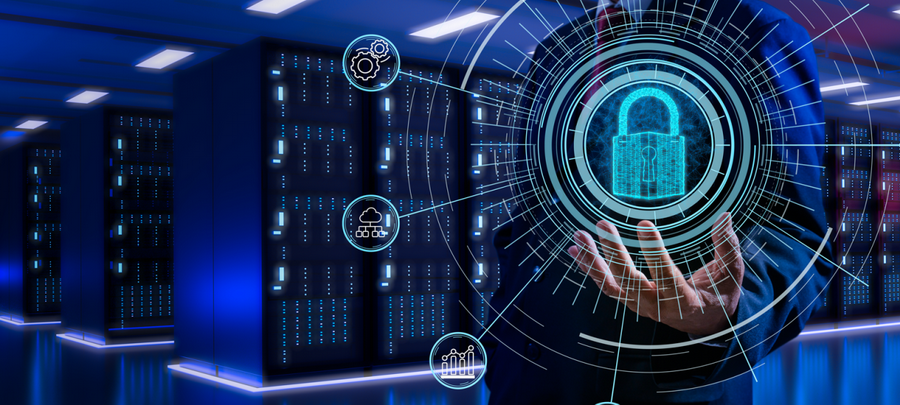
Security Measures:
Physical security is critical to protect data center infrastructure. This may include biometric access controls, surveillance cameras, security personnel, and other measures to prevent unauthorized access.

Network Connectivity:
High-speed and reliable network connections are crucial for data centers, enabling fast and efficient communication between servers and facilitating data transfer to and from the internet.
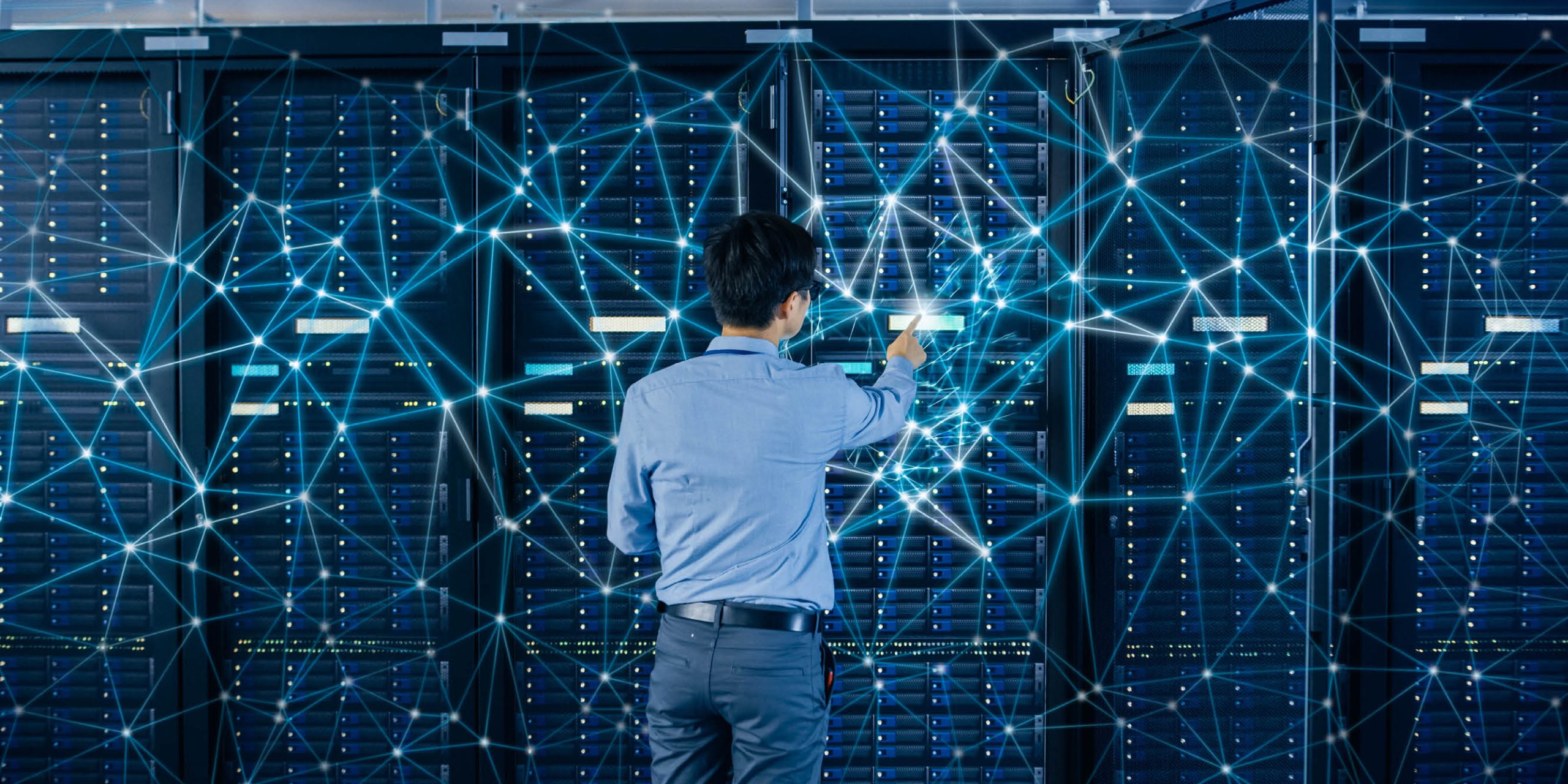
Monitoring and Management:
Advanced monitoring systems track the performance and health of various components within the data center. Automated management tools help optimize resource allocation and energy efficiency.
role of batteries and UPS
Batteries and UPS (Uninterruptible Power Supply) serve critical roles in data centers to ensure continuous operation and protect against power outages.
〉 Batteries: Batteries in data centers serve as backup power sources in case of electrical grid failures or interruptions. They provide immediate power to critical systems, allowing them to continue functioning seamlessly during power outages until either the power is restored or the data center can transition to generator power. Batteries are essential for maintaining uninterrupted operation and preventing data loss or system downtime.
〉 UPS (Uninterruptible Power Supply): UPS systems are devices that provide emergency power to a load when the input power source, typically mains power, fails. In data centers, UPS systems are installed between the main power supply and critical infrastructure, such as servers, networking equipment, and storage systems. They ensure that even in the event of a power outage, the data center can continue to operate without disruption. UPS systems not only provide immediate power backup but also help regulate voltage fluctuations and filter out noise from the power supply, thereby protecting sensitive electronic equipment from damage.
〉〉 In summary, batteries and UPS systems play vital roles in data centers by providing backup power and ensuring uninterrupted operation, thereby safeguarding against potential data loss, downtime, and equipment damage caused by power interruptions.
Any questions?
Give us a call
