
Battery
Industrial batteries are large-scale energy storage devices designed to meet the power requirements of various industrial applications. These batteries are distinct from consumer batteries in terms of size, capacity, and the specific demands of industrial.
Here are some key points about industrial batteries:
♦ Lead-Acid Batteries
♦ Lithium-ion batteries
♦ Nickel-Cadmium (NiCd) Batteries
Lead-Acid Battery
∴ Design:

Sealed lead-acid batteries are a type of lead-acid battery where the electrolyte (a mixture of sulfuric acid and water) is immobilized, either by being completely absorbed in a glass mat (Absorbent Glass Mat or AGM) or by being gelled.
∴ Types:
Two main types of sealed lead-acid batteries are AGM (Absorbent Glass Mat) and Gel batteries.
〉〉 AGM Batteries: Electrolyte is held in glass mats, and these batteries are maintenance-free, can be installed in any orientation, and are often used in uninterruptible power supply (UPS) systems.
〉〉 Gel Batteries: The electrolyte is in a gel form, providing stability and resistance to vibration. Gel batteries are often used in deep-cycle applications.
∴ Applications:
Commonly used in various applications, including:
♦♦ Uninterruptible Power Supply (UPS) systems.
♦♦ Emergency lighting systems.
♦♦ Electric wheelchairs and scooters.
♦♦ Solar power storage.
♦♦ Portable power packs.
∴ Maintenance-Free:
Sealed lead-acid batteries are often referred to as “maintenance-free” because, unlike traditional flooded lead-acid batteries, they don’t require regular addition of water to the cells.
∴ Advantages:

Safety: Sealed construction reduces the risk of acid leakage, making them safer for indoor use.
Versatility: Can be used in various orientations without the risk of acid spillage.
Low Self-Discharge: Sealed lead-acid batteries have a relatively low self-discharge rate, allowing them to hold their charge for an extended period.
∴ Disadvantages:

Limited Cycle Life: Sealed lead-acid batteries typically have a lower cycle life compared to some other battery technologies, such as lithium-ion.
Weight: They can be relatively heavy, especially for high-capacity applications.
∴ Charging:
Charging sealed lead-acid batteries requires a controlled charging voltage to prevent overcharging, which could lead to reduced battery life.
∴ Temperature Sensitivity:
Extreme temperatures can affect the performance of sealed lead-acid batteries. They perform best within a certain temperature range.
∴ Cost:
Sealed lead-acid batteries are generally more cost-effective compared to some other types of batteries, making them a popular choice for specific applications.
It’s important to note that while sealed lead-acid batteries have been widely used for many years, advancements in battery technology have introduced alternatives with different characteristics, such as lithium-ion batteries, which offer higher energy density and longer cycle life but may come with a higher initial cost. The choice of battery depends on the specific requirements of the application.
Lithium battery
Lithium batteries are a type of rechargeable battery that uses lithium ions as the primary component in its electrochemical cells. They have become widely popular and are commonly used in various electronic devices, including smartphones, laptops, cameras, and electric vehicles. Here are some key features and aspects of lithium batteries
Chemistry:

Lithium batteries come in various chemistries, with the most common being lithium-ion (Li-ion) and lithium-polymer (LiPo). In both cases, lithium ions move between the positive and negative electrodes during the charging and discharging processes.
High Energy Density:
One of the significant advantages of lithium batteries is their high energy density, meaning they can store a large amount of energy in a relatively small and lightweight package. This characteristic makes them ideal for portable electronic devices.
Rechargeable:
Lithium batteries are rechargeable, allowing users to recharge them hundreds or even thousands of times before experiencing a significant decrease in capacity. This makes them cost-effective and environmentally friendly compared to disposable batteries.
Voltage Stability:

Lithium batteries typically maintain a more stable voltage throughout their discharge cycle compared to other rechargeable batteries. This ensures a steady power supply for devices.
Variety of Applications:

Lithium batteries are used in a wide range of applications, from small consumer electronics to large-scale energy storage systems. They are also the preferred choice for electric vehicles due to their high energy density and power output.
Charging Time:
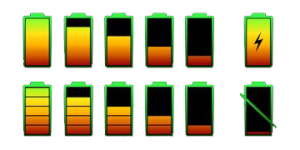
Lithium batteries typically have a faster charging time compared to other types of rechargeable batteries. However, the charging rate can be influenced by factors such as the battery’s capacity, chemistry, and the charging equipment used.
Nickel-cadmium battery
Nickel cadmium (Ni-Cd) is a rechargeable battery that uses nickel oxide hydroxide and metallic cadmium as electrodes. It is a well-established technology that has been widely used in various applications. However, its popularity has declined in recent years due to concerns about cadmium’s environmental impact and the development of newer battery technologies.
Nickel-cadmium batteries have been widely used in the past for their durability and reliability, but their popularity has diminished due to environmental concerns associated with cadmium and the emergence of more advanced and environmentally friendly battery technologies.
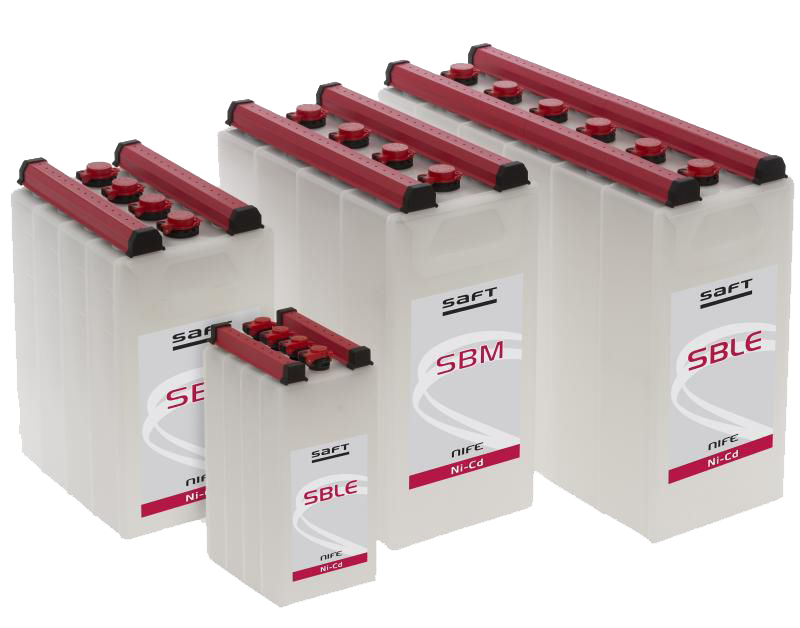
Contact us to buy all kinds of industrial batteries for your diverse needs. Whether you require reliable nickel-cadmium, cutting-edge lithium-ion, or other advanced technologies, we offer a comprehensive range of industrial batteries to power your operations efficiently. Our team is dedicated to providing tailored solutions, competitive pricing, and excellent customer service. Reach out to us today to discuss your specific requirements and explore the best battery options for your industrial applications
