
Medical equipment refers to a broad category of devices and tools designed for use in the field of healthcare. These instruments play a crucial role in the prevention, diagnosis, treatment, and monitoring of various medical conditions. Medical equipment can range from simple devices like thermometers and blood pressure monitors to complex machinery such as MRI machines and surgical robots. Here are some common types of medical equipment:
Diagnostic Equipment:
- X-ray machines
- Ultrasound machines
- CT (Computed Tomography) scanners
- MRI (Magnetic Resonance Imaging) machines
- Blood glucose monitors
Therapeutic Equipment:
- Infusion pumps
- Surgical lasers
- Dialysis machines
- Radiation therapy machines
Monitoring Equipment:
- Heart rate monitors
- Electrocardiogram (ECG or EKG) machines
- Pulse oximeters
- Holter monitors
ups & battery
The role of Uninterruptible Power Supply (UPS) in medical equipment is critical for ensuring the continuous and reliable operation of various devices used in healthcare settings. UPS systems play a vital role in maintaining a stable power supply, which is essential for the functionality of sensitive medical equipment. Here are some key aspects of the role of UPS in medical equipment

Ultrasound Equipment

Operating Room Equipment

Laboratory Equipment
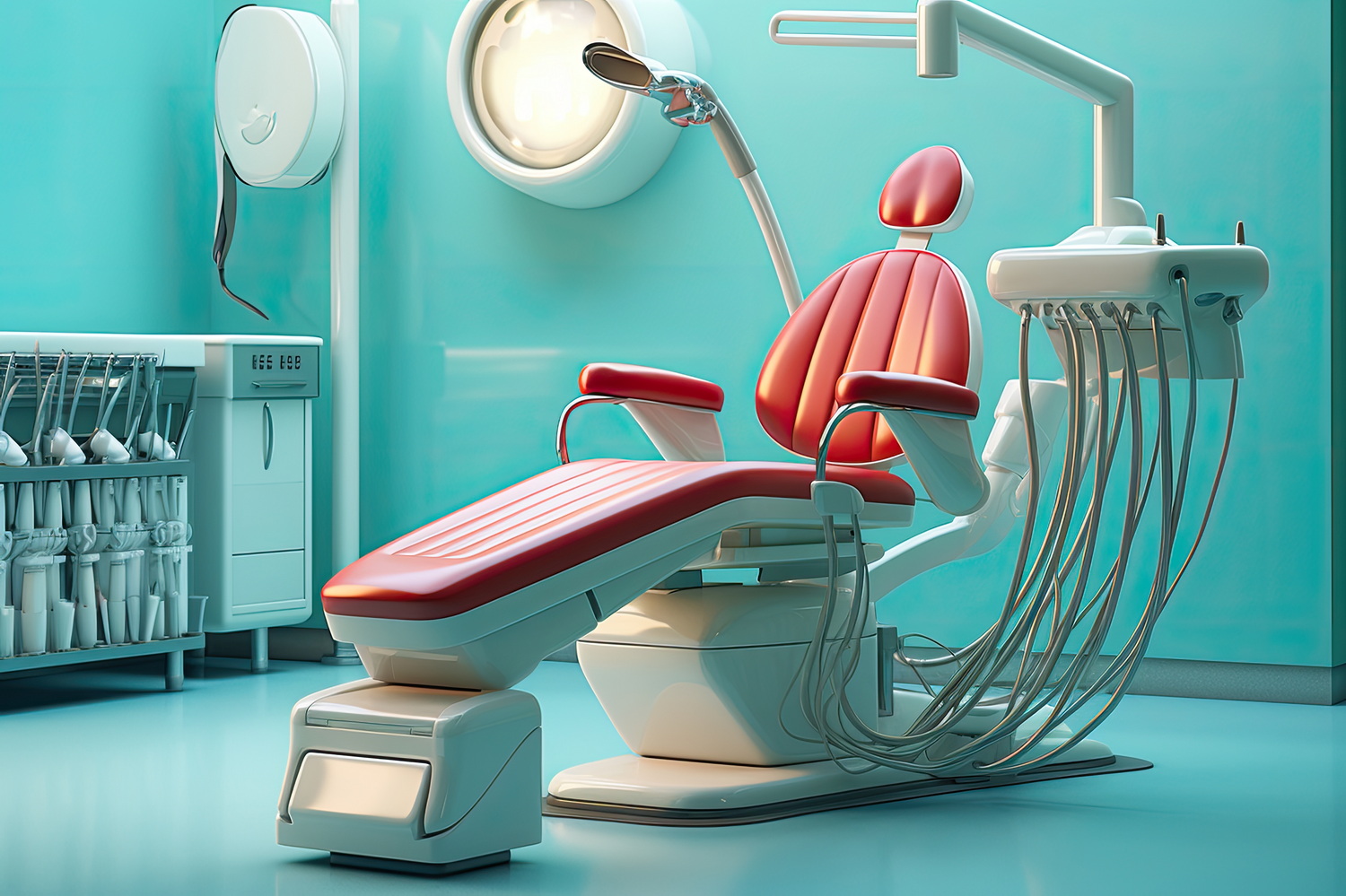
Dental Equipment
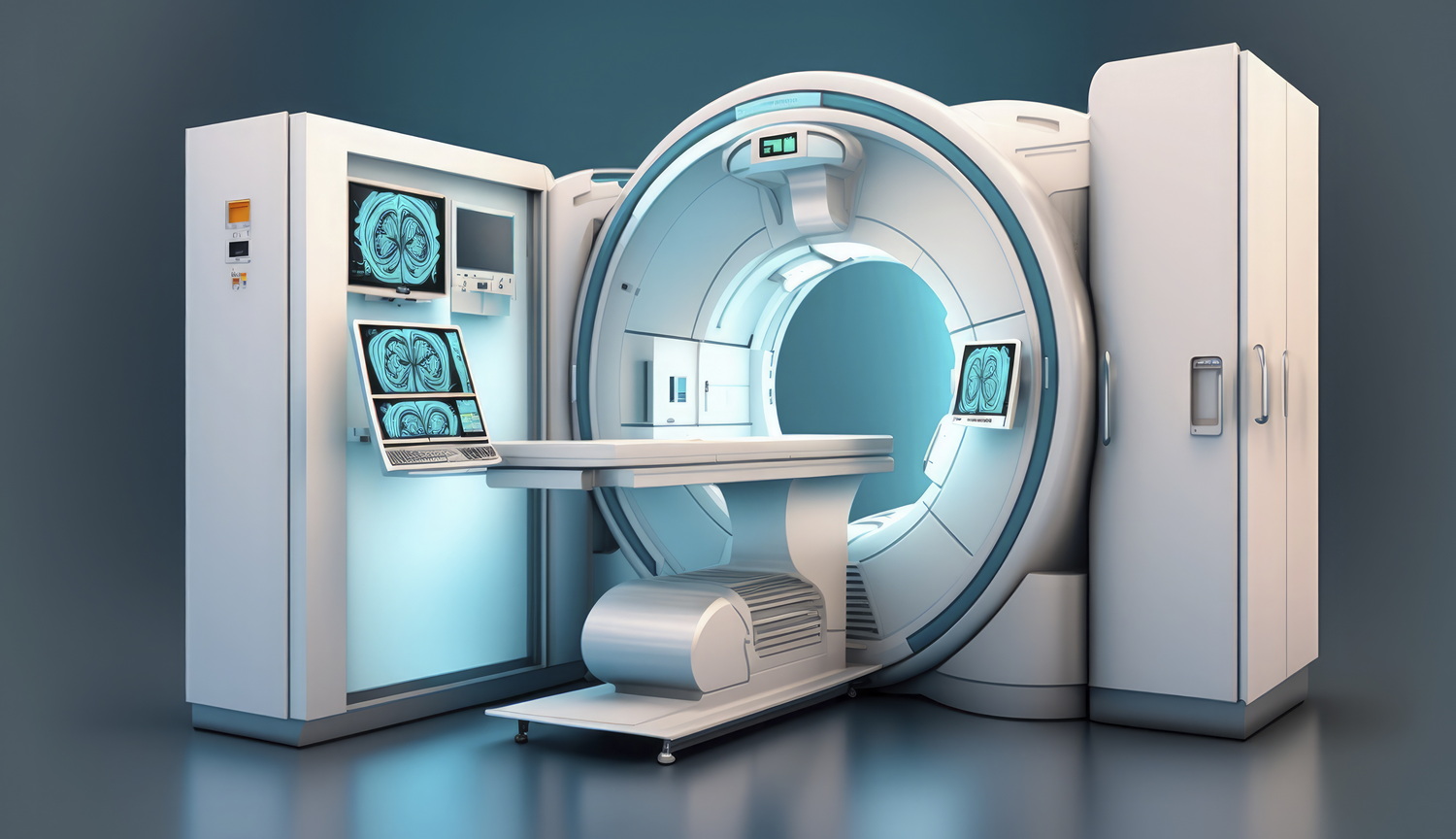
Medical Imaging Equipment
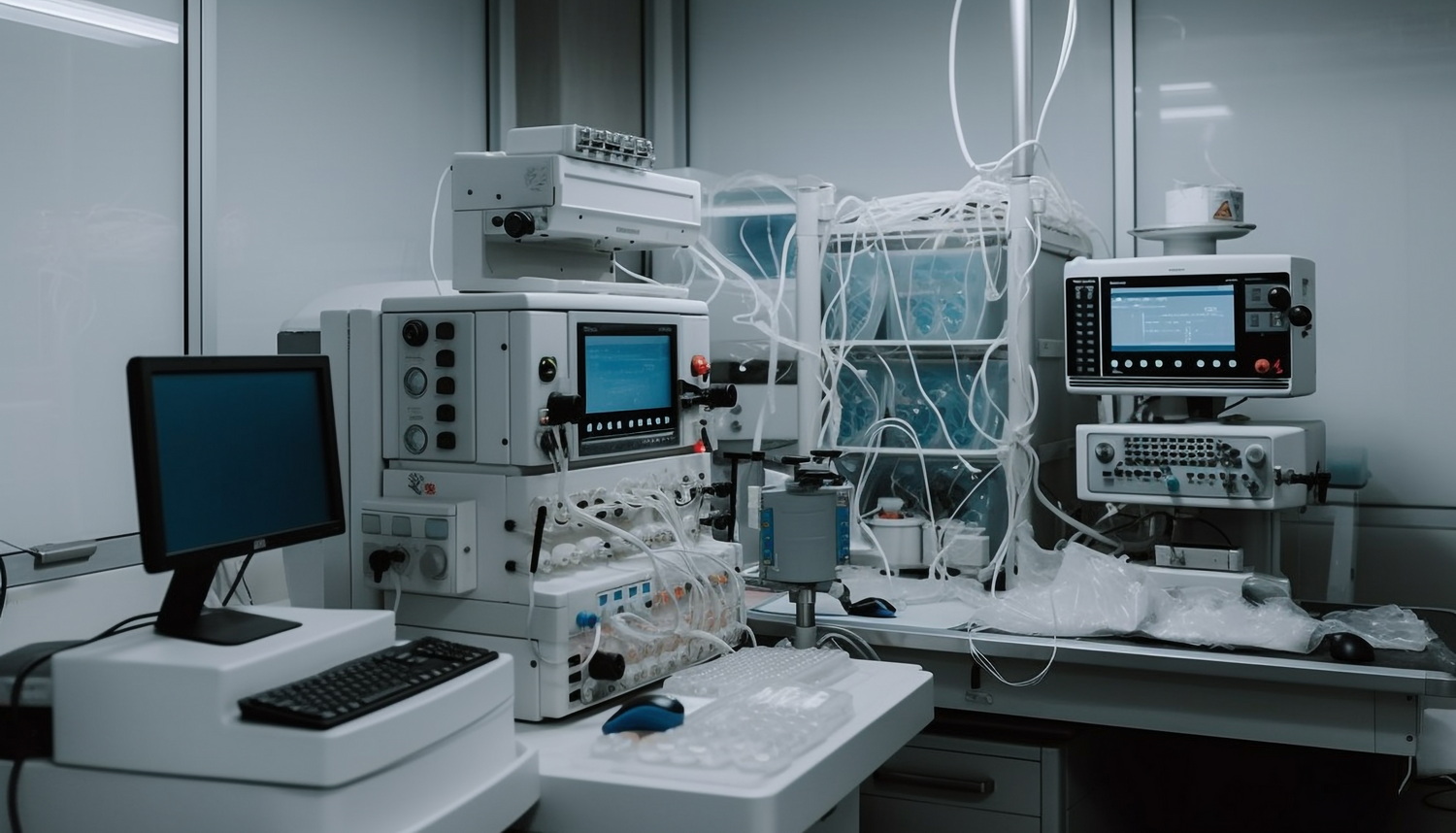
Life Support Equipment
medical equipment uses UPS & BATTERY UPS
Reliability and Continuity:
Medical equipment, such as diagnostic devices, patient monitoring systems, and life support machines, requires a constant and uninterrupted power supply. UPS systems serve as a reliable backup power source, ensuring that these critical devices remain operational even during power fluctuations or outages. This reliability is crucial for patient care and safety.
Preventing Data Loss:
Many modern medical devices, including those used in imaging and diagnostics, are equipped with electronic data storage capabilities. Sudden power interruptions can lead to data loss, potentially compromising patient records and diagnostic results. UPS systems provide a buffer, allowing these devices to save data and shut down properly in the event of a power failure.
Patient Safety:
Life-saving medical equipment, such as ventilators and infusion pumps, relies on a stable power supply. UPS systems contribute to patient safety by ensuring that these devices continue to function without interruption. In critical care situations, any disruption in power could have severe consequences, making the role of UPS systems paramount.
Emergency Situations:
In emergency situations or natural disasters, when power grids may be compromised, medical facilities need to rely on backup power sources. UPS systems, when integrated with emergency power systems, help medical equipment to seamlessly transition to backup power, allowing healthcare providers to continue delivering essential care.
Laboratory Equipment
Medical laboratories use a variety of equipment for testing and analysis. UPS systems are crucial for maintaining a stable power supply to laboratory instruments, preventing disruptions that could affect test results and experiments.
Diagnostic Imaging:
Imaging equipment such as X-ray machines, CT scanners, and MRI machines require consistent power for precise imaging. UPS systems ensure that these devices can complete scans without interruption, avoiding the need for repeating procedures and minimizing patient discomfort.
Compliance with Regulations:
Healthcare facilities are often required to comply with regulations and standards related to patient care and safety. UPS systems help facilities meet these standards by providing a reliable power source, contributing to the overall resilience of the healthcare infrastructure.
