
Telecommunication refers to the transmission of information over long distances by electronic means. It involves the use of various technologies and devices to send and receive signals, enabling communication between individuals, organizations, or machines. Telecommunication plays a crucial role in modern society, connecting people around the world and facilitating the exchange of voice, data, and multimedia.
Key components of telecommunication include:

Satellite Communication:
Ground Stations:
Facilities that communicate with satellites in orbit for various purposes, including broadcasting and telecommunication. UPS systems provide backup power to ensure uninterrupted communication services.
Networks:
The infrastructure that allows communication between different points. Networks can be classified as wired (e.g., landline telephone networks, broadband internet) or wireless (e.g., mobile networks, satellite communication).
Switching Systems:
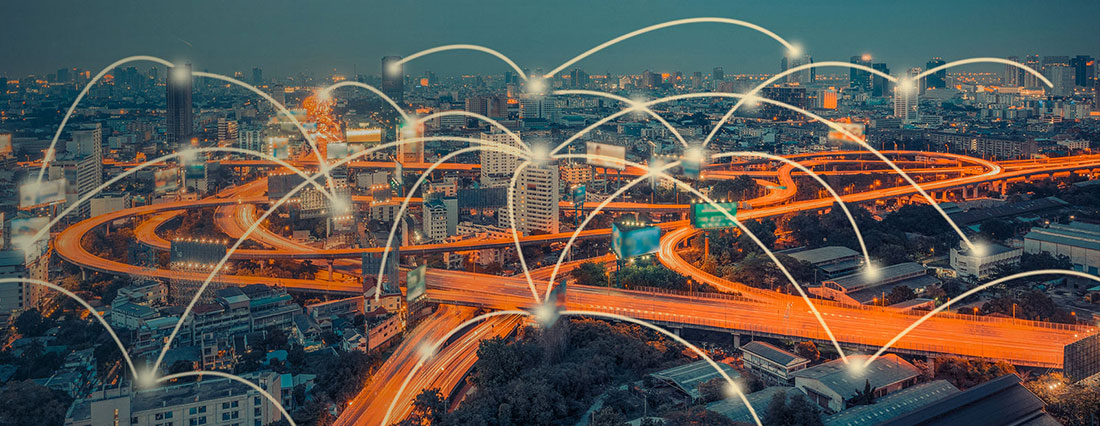
Mechanisms that enable the routing of signals from the source to the destination. In circuit-switched networks, a dedicated path is established for the duration of the communication, while in packet-switched networks, data is divided into packets and sent separately.

Transmitters and Receivers:
Devices that encode information into signals for transmission and decode received signals back into usable information. Examples include telephones, modems, and radio transceivers.

Transmission Media:
The physical pathways through which signals are transmitted. This can include wired mediums like copper cables and fiber optics or wireless mediums like radio waves and microwaves.

Protocols:
Rules and conventions that govern the exchange of information in a network. Examples include TCP/IP for the internet and GSM for mobile communications.
Satellite Systems:
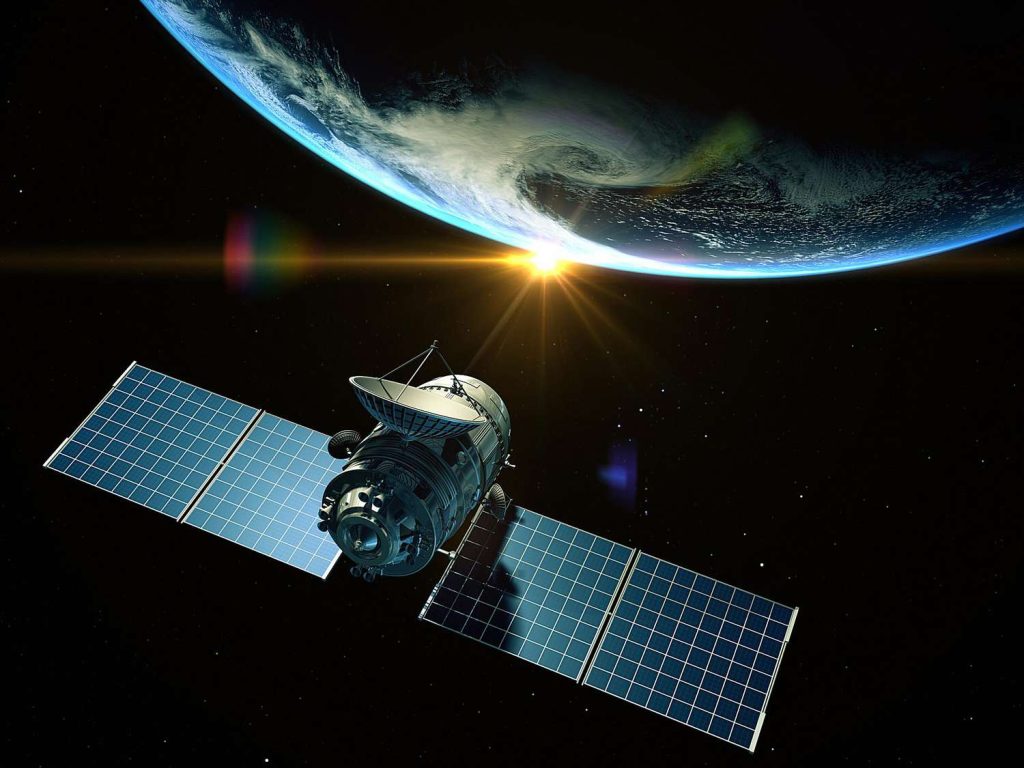
Satellites are used for long-distance communication, broadcasting, and global connectivity. They enable communication in remote areas and facilitate activities such as weather monitoring and navigation.
Internet:
The global network of interconnected computers and devices. It has become a vital part of telecommunication, allowing for a wide range of services, including email, instant messaging, video conferencing, and online content delivery.

Fiber Optics:
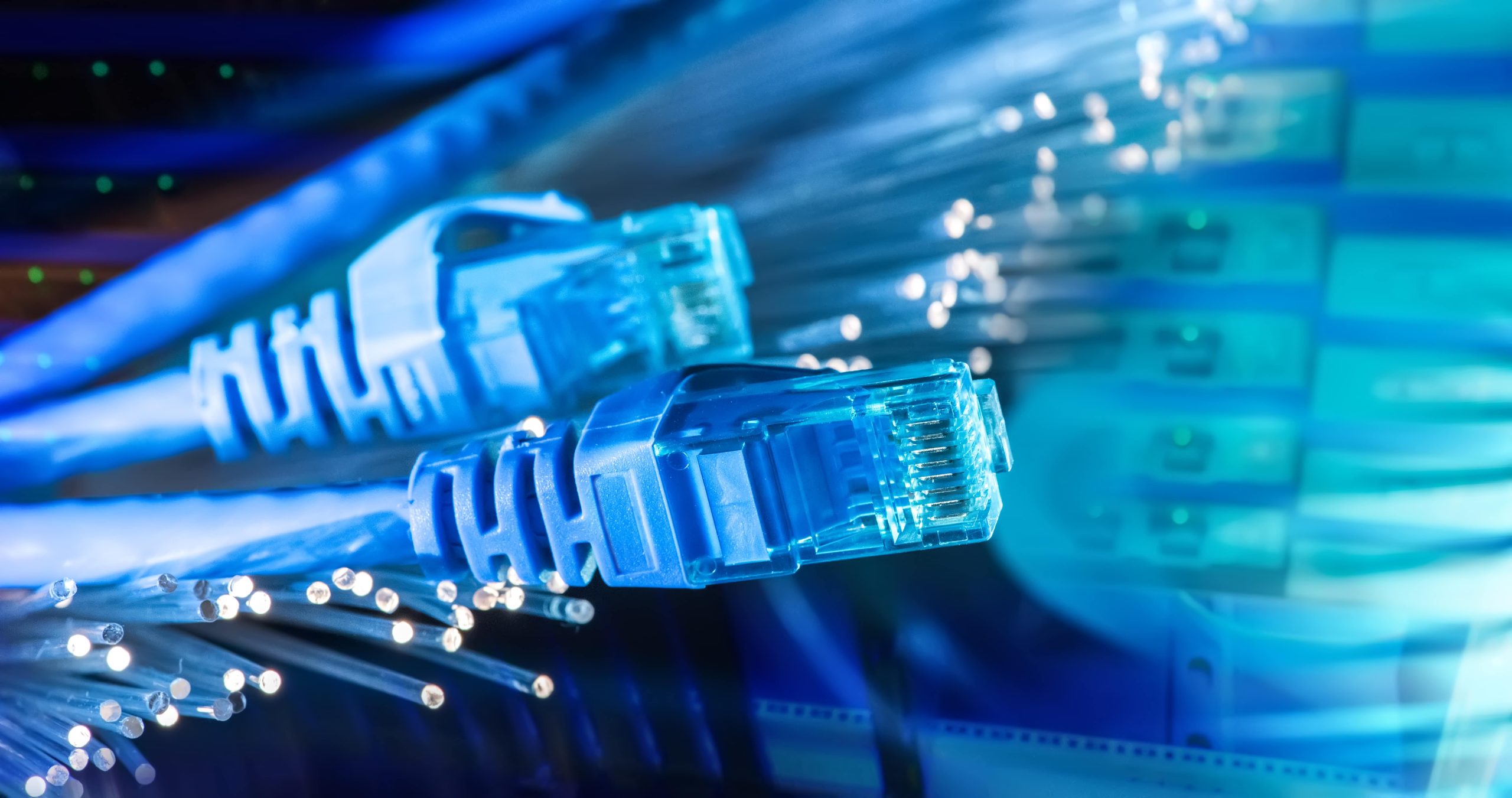
Transmission of data through thin strands of glass or plastic fibers. Fiber optics offer high bandwidth and are commonly used for long-distance communication, such as in internet backbones.
what Telecommunication use ups?
Uninterruptible Power Supply (UPS) systems are commonly used in various aspects of the telecommunications industry to ensure a continuous and reliable power supply. Telecommunication infrastructure relies heavily on the availability of power to maintain seamless communication services. Here are some specific areas within telecommunications where UPS systems are employed.

Communication Networks:
-
Mobile Networks (Cellular Towers): UPS systems are used to provide backup power to cellular towers, ensuring that mobile communication remains operational during power outages. This is crucial for maintaining connectivity and allowing users to make emergency calls.
-
Telecom Switching Centers: Centralized facilities that route and switch telecommunications traffic. UPS systems are essential to prevent disruptions in communication services in the event of power fluctuations or outages.
Data Centers:
Telecom Data Centers:
Data centers play a critical role in storing and processing vast amounts of data related to telecommunications. UPS systems are employed to safeguard these facilities from power interruptions, ensuring continuous data availability.

Fiber Optic Infrastructure:
Transmission Equipment:
Devices involved in the transmission of data through fiber optic cables often incorporate UPS systems to maintain a stable power supply. This is crucial for preventing data loss and maintaining the integrity of the communication network.
Emergency Communication Systems:
Emergency Call Centers:
UPS systems are used in call centers that handle emergency calls. They ensure that communication lines remain open even during power outages, allowing emergency services to operate without interruption.

Telecom Equipment Rooms:
Equipment Rooms in Office Buildings:
Telecommunication equipment housed in office buildings, including routers, switches, and communication servers, may utilize UPS systems to maintain connectivity during power disturbances.
Internet Service Providers (ISPs):
Network Infrastructure:
ISPs rely on uninterrupted power to maintain internet connectivity. UPS systems are used in network infrastructure to ensure continuous service availability.

