
Transportation is a crucial aspect of modern society, playing a vital role in facilitating the movement of people and goods from one location to another. It involves various modes and infrastructure that contribute to the mobility and connectivity of individuals and businesses. Here are key aspects of transportation:
◊ Modes & infrastructure of Transportation
◊ Public Transportation & Freight Transportation
◊ Emerging Technologies
◊ Logistics and Supply Chain
Modes of Transportation:
Road Transport:
Involves the use of vehicles on roadways, including cars, trucks, buses, motorcycles, and bicycles.
Road Infrastructure:
Includes highways, streets, and bridges.
Air Transport:
Involves airplanes and airports for both domestic and international travel.
Air Infrastructure:
Involves airports, runways, and air traffic control systems.
Water Transport:
Includes shipping, using ships and boats on rivers, seas, and oceans.
Water Infrastructure:
Involves airports, runways, and air traffic control systems.
Rail Transport:
Utilizes trains on railway tracks for the movement of passengers and freight.
Rail Infrastructure:
Comprises railway tracks, stations, and terminals.
Freight Transportation & Public Transportation:
- Trucking: Trucks and lorries transport goods over short and long distances on roadways.
- Shipping: Cargo ships move goods across oceans and seas.
- Rail Freight: Trains transport bulk goods and containers over land.
- Air Cargo: Airplanes carry freight quickly over long distances.
- Public Transit: Mass transit systems, such as buses and trains, provide cost-effective and efficient transportation for large populations.
- Subways and Light Rail: Urban rail systems that operate underground or on elevated tracks in cities.
Emerging Technologies:
- Autonomous Vehicles: Self-driving cars and trucks with advanced automation.
- Hyperloop: High-speed transportation in low-pressure tubes.
- Drone Delivery: Unmanned aerial vehicles for transporting small packages.
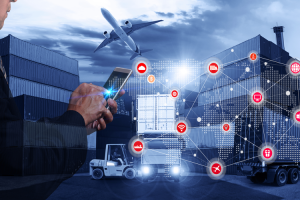
Logistics and Supply Chain:
- Supply Chain Management: Efficient coordination of the entire transportation process.
- Last-Mile Delivery: Final stage of delivery to the end consumer.
WHAT TELECOMMUNICATION USE UPS % Battery
Vehicle Charging Infrastructure:
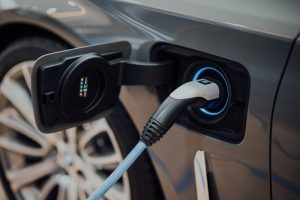
- Electric Vehicle Charging Stations: As the transportation industry transitions to electric vehicles (EVs), UPS systems are used to ensure a continuous power supply for EV charging stations, supporting the growth of electric mobility.
Security Systems:
-
Surveillance Cameras: UPS systems support the continuous operation of surveillance cameras and security systems at transportation hubs, including airports, train stations, and ports.
-
Access Control Systems: Power continuity is crucial for access control systems, ensuring that only authorized personnel have access to secure areas in transportation facilities.
Information Technology Infrastructure:
-
Supply Chain Management Systems: UPS systems play a vital role in supporting the IT infrastructure of supply chain management systems, which track and manage the movement of goods from production to delivery.
-
Global Positioning System (GPS): UPS ensures the continuous operation of GPS systems, which are integral for tracking the location and movement of vehicles in logistics and transportation.
Emergency Response Systems:
-
Traffic Signal Preemption: In emergency situations, UPS systems can support traffic signal preemption systems, allowing emergency vehicles to navigate through traffic more efficiently.
